Case study
Adhan — Prayer Times & Qibla
Prayer times, Qibla and a gentle Salah tracker, plus Focus, which pauses distracting apps at prayer time. No ads, no analytics.
Product overview
Adhan is a prayer companion for Muslims: prayer times and the Adhan, the Qibla direction, a tracker for the five daily prayers, and tools that make room for prayer during a busy, phone-heavy day.
- Prayer times calculated on the device and working offline, with calculation methods, Asr school, high-latitude rules and per-prayer mosque times
- Adhan voices, silent or tone notifications per prayer, and a Fajr alarm
- Full-screen Qibla compass
- Salah tracker: on time, qadha or not prayed, with a month calendar, history, and a streak with clear, kind rules
- Focus: chosen apps are blocked from each prayer’s start until it is marked prayed, with optional Strict Mode
- Tasbih counter with rendered beads, sound and haptics, and a set of Duas from the Qur’an and Sunnah
- Home Screen widgets, plus Lock Screen widgets on iOS
Problem and solution
The problem
Most prayer apps are crowded with ads, feeds and guilt-driven reminders, and none of them help with the real obstacle: the phone itself.
The solution
Adhan keeps the essentials calm, private and accurate, and adds Focus, which pauses the apps you choose when a prayer begins until you mark it prayed.
Design decisions
- A scenic header that follows the time of day for each prayer, and a “living sky” that responds as prayers are logged
- A gentle tone throughout: not-prayed is a neutral state, never a red mark or guilt copy
- Light and dark themes built only from design tokens, and wide-screen layouts on iPad
- Core features stay free: prayer times, Qibla, the tracker, Duas and Tasbih are never behind a paywall or ads
Key screenshots
-
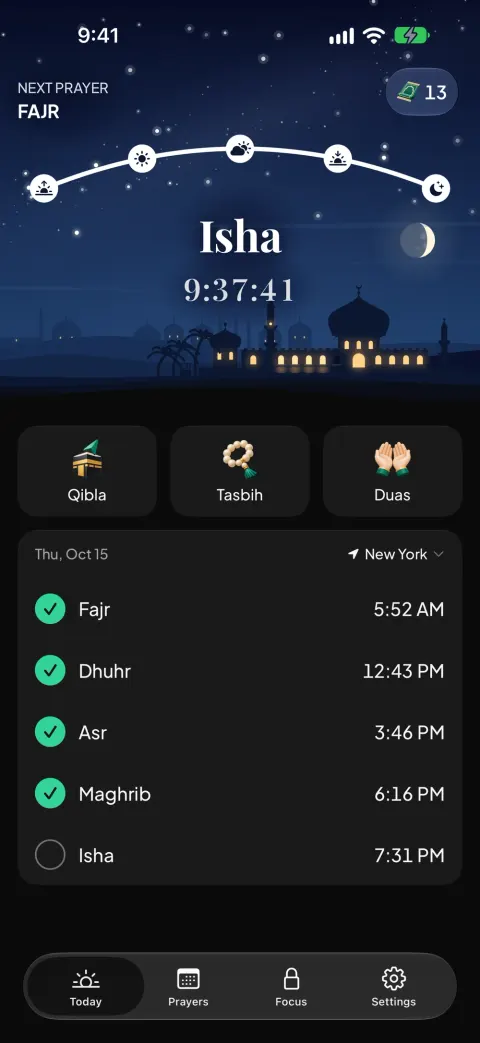
Today -
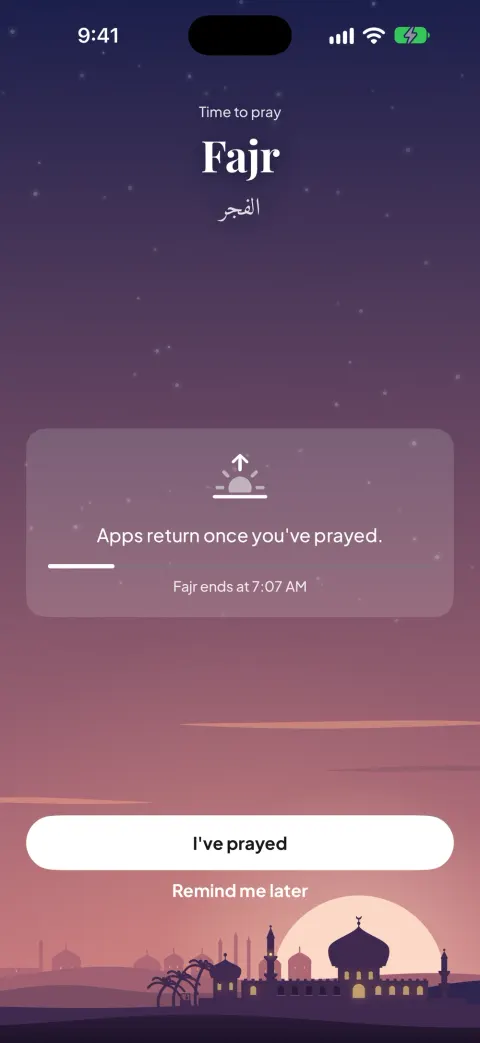
Focus block screen -
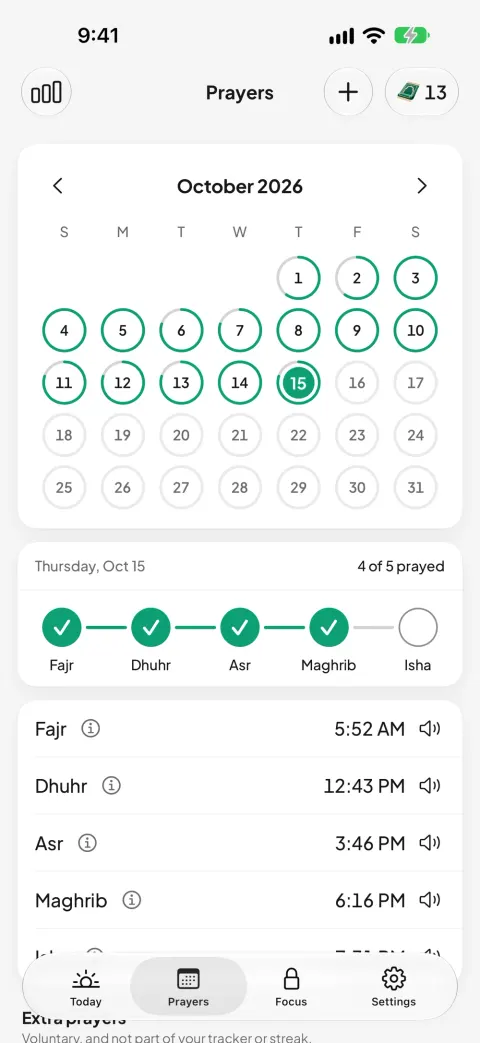
Salah tracker -
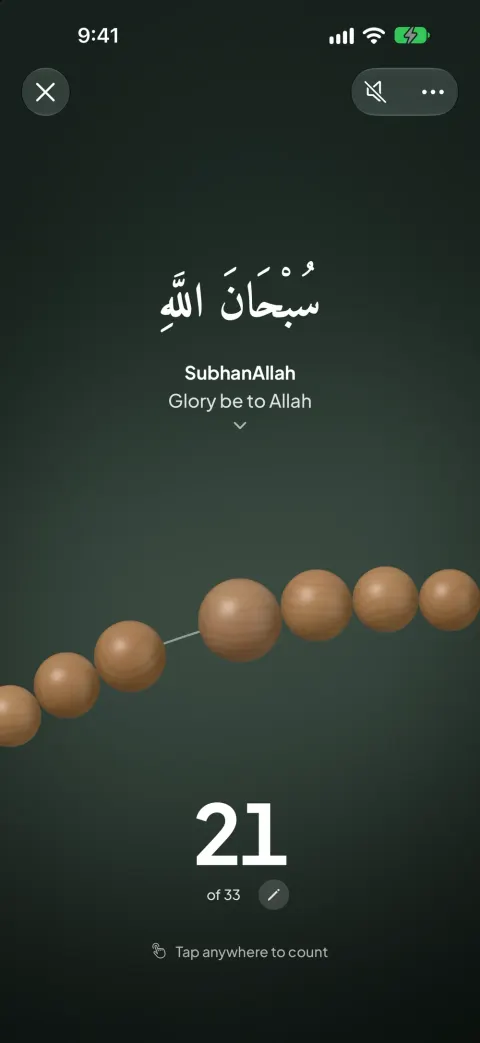
Tasbih -
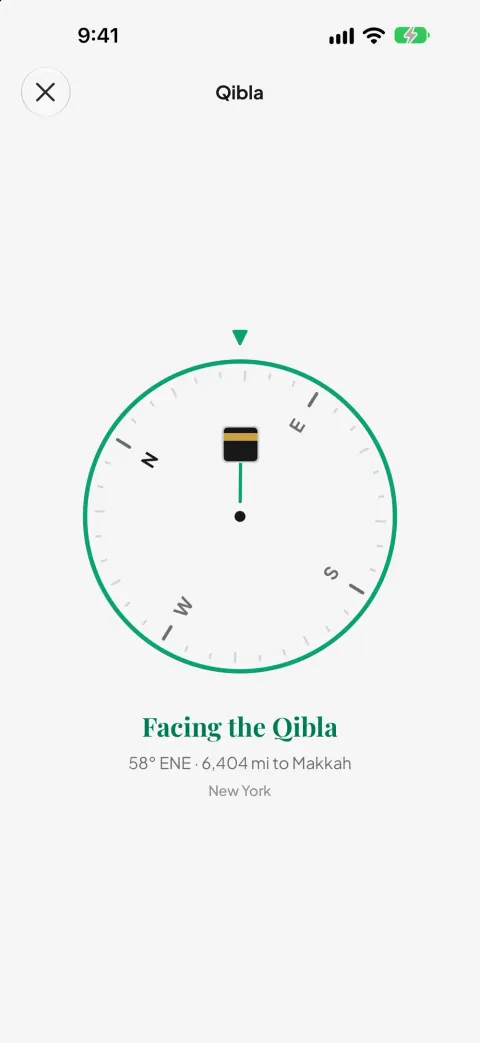
Qibla
Engineering highlights
-
Two native apps, one spec
SwiftUI on iPhone and iPad (iOS 26+), Kotlin with Jetpack Compose on Android 8+. Shared product, design and copy docs keep features, strings and the Pro tier in step.
-
Platform-native Focus and alarms
On iOS, Focus uses the Screen Time APIs for a system shield and the Fajr alarm uses AlarmKit. On Android, the closest native equivalents: a custom block screen and an exact alarm with a full-screen alarm UI.
-
Offline prayer times
Times are calculated on the device, so they work without a connection, with calculation methods, Asr school, high-latitude rules and mosque-time overrides.
-
11 languages, including RTL
Both apps read from shared translation files, with right-to-left layouts for Arabic and Urdu.
-
Private by design
RevenueCat handles subscriptions on both stores. The only network traffic is RevenueCat and the OS geocoder: no ads, no analytics, and logs stay on the device.
-
Release tooling
An Astro landing page at adhanapp.com, plus fastlane for store metadata and screenshots across locales.
Development challenges
-
Parity across two operating systems
App blocking and alarms follow very different rules on iOS and Android. Behaviour and copy had to stay consistent anyway.
-
Prayer-time edge cases
High latitudes, daylight saving, Jumu’ah, and mosque times that differ from the calculated ones.
-
Encouraging, not punishing
Streak and tracker rules that keep people going without guilt.
-
Store work at scale
Listings, screenshots and review requirements in 11 languages.
Release status
- App Store Live View listing for Adhan on App Store (opens in a new tab)
- Google Play Live View listing for Adhan on Google Play (opens in a new tab)
- Website Live adhanapp.com
Live on the App Store (version 1.1.0, its first App Store release, published November 2026) and on Google Play.
Want something like this built for your product?
I take on freelance projects and collaborations, and I’m open to engineering roles.